The key to life is not accumulation. It's contribution. Hands that serve help more than the lips that pray.

Thursday, March 9, 2023


NIVIUK Artik-R   size 23


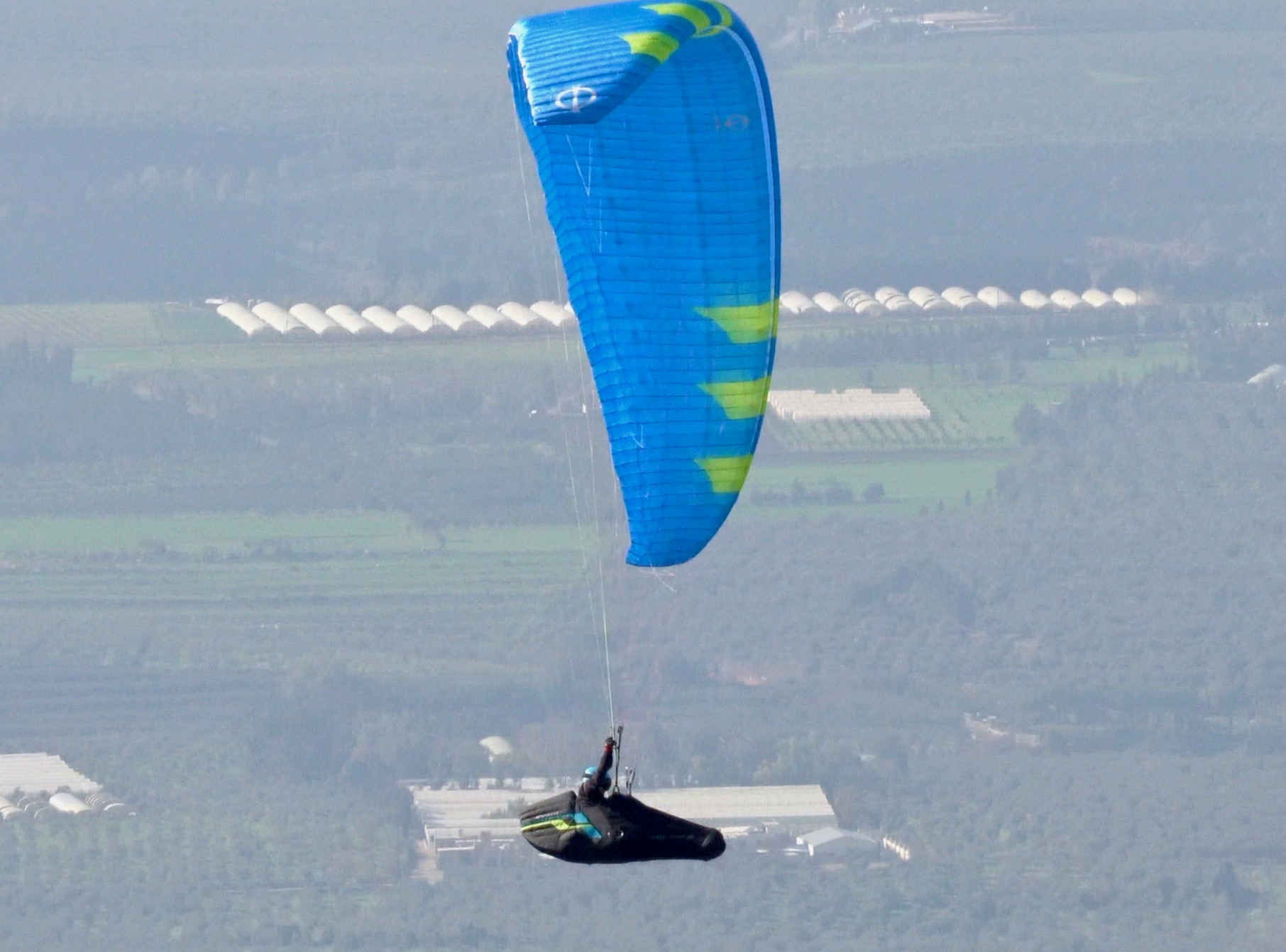
If you already read my previous test about the Artik 6 , then you surely felt that I really appreciated that overall complete glider. Now as the C certification allowed the use of collapse lines and other changes, Niviuk released to the market their new C class model, with its 2-line version and with a 6.5 aspect ratio. 


I have flown the size 23 which is certified from 80-95, and NIVIUK recommends the optimum flying weight of 87-92.

I flew that glider at 88- 92- and 95 all up on my X-rated 6 harness. 

The Artik-R has a really nice construction and the finishing details are really impressive. I think NIVIUK has made it a step further in delivering a really neat high quality product which is clearly shown when you unbox it. 


Launching :

Pulling on the A’s on the Artik-R at 92 all up, gave me a little heavy feel at the beginning of the rise, than normal in the middle rise, with very easy take-off behavior even in no wind. The take-off is immediate without the wing surging in front.  In a stronger breeze, the Artik -R can be easily mastered by the brakes, and there is no surging forward for a C pilot, rather than an immediate take-off. Overall take-off behavior is quite nice. 


Pitch and roll stability:

In the air, and later in different conditions, the pitch felt very stable, getting inside the lift is super comfortable even smoother than the Artik 6 which had a slightly more positive pitch feel. The Artik-R slows very slightly when encountering thermals. The roll stability seems very close to the Artik 6. Overall they felt close in comfort with probably +10…15% pilot demand in turbulent air for the Artik-R.  It is not summer yet to be precise, but it feels quite balanced. 

 The Artik-R has a taught and solid leading edge. Trying to pull the A’s showed me a logical heavy pressure, as the A’s are far back.  


Climb rate:

I flew the Artik-R in a very weak lift (+0.3 m/s) with no wind influence, at 93 all up, and I was really efficient with the best C gliders, or even D’s, to confirm after a while that the climb is in weak is really good! The Artik-R could float really well! In stronger thermals or with more wind, the Artik-R behaves calmly in pitch, and needs slightly more time to enter, but with a fairly good climb rate for the category.

Gliding power:

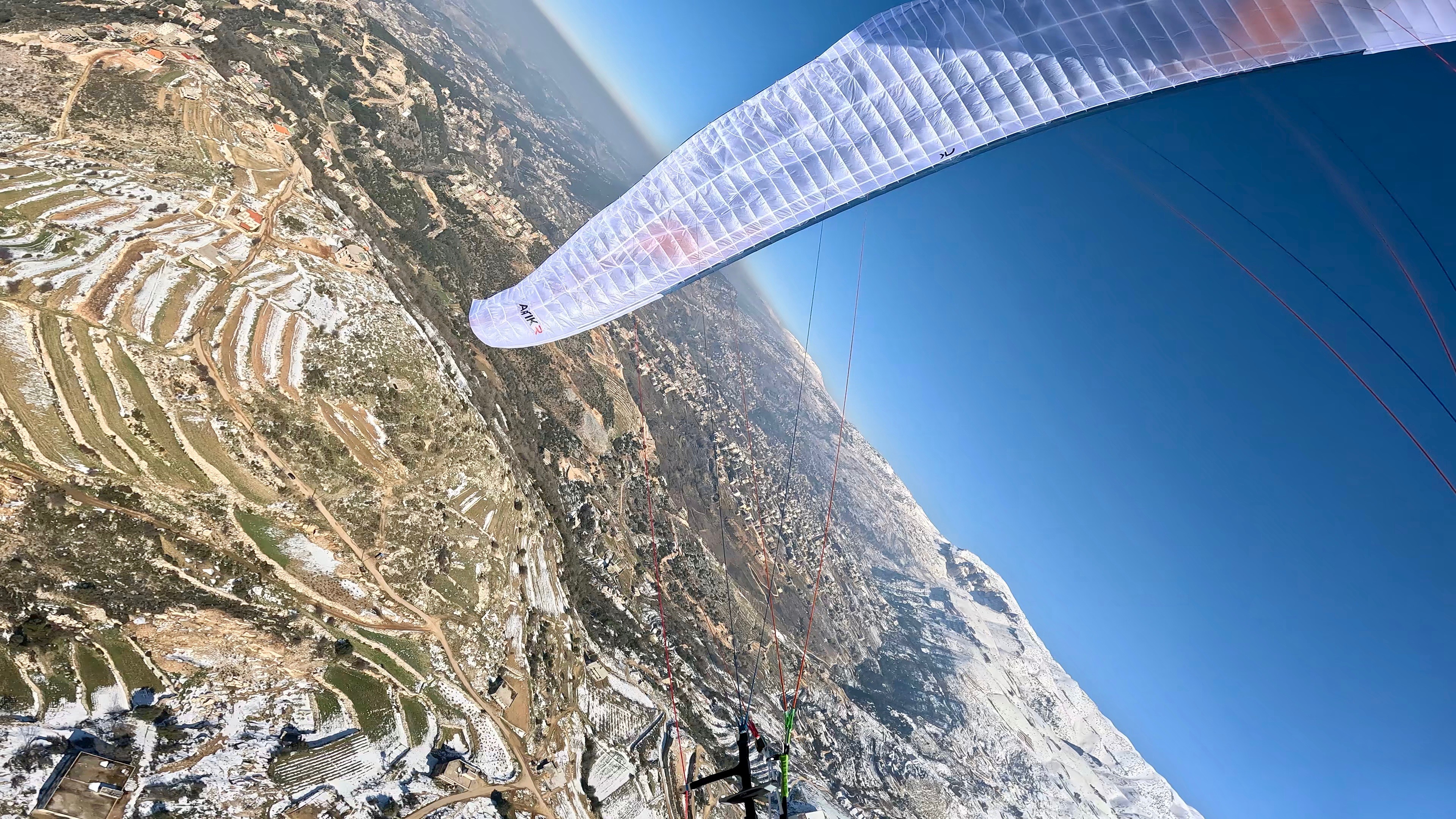
For two days, I had the privilege to fly with my friends on 2-liner C gliders!  Yann, on a Volt 4 M size max 102, Elie and I  (alternating) Artik-R and LT2. 

After many glides, we all had the same conclusions! 

The Artik-R holds now the crown having the top glide ratio for the 2 liners by a small margin, especially at full bar which is impressive!  


So I decided to try another very good 2-liner EN-D glider. (A Gin Leopard. But a bigger size ‘M’ was only available! ).  I know it is not fair to try it with the higher class but just an idea for me and also many pilots suggested that I try…

To be precise, the glide in ‘calm air’ at trim is similar. The glide at bar seems also incredibly similar!  The Artik-R showed me a true gliding machine for the C category. 

In turbulence and wind, or in the valley breeze, the Leopard with its 7 aspect and thinner profile had the edge of course with a high capacity in getting through and moving forward and up easily which is logical. 

I will hopefully try the Leopard with NIVIUK’s new 2-liner EN-D, the ’Peak 6’. A wing of the same class as the Leopard. 


Handling and pleasure:

The brake length of the Artik-R is slightly longer than the Artik 6, but it still with good agility. Not as sharp as the A6 in turns, but still good enough to be satisfied. Smoother in turns than the A6, as I was able to core every single thermal easily. The Artik-R doesn’t dive in turns as the A6. It turns more efficiently flat without losing the core. 

Throwing wingovers, and playing around on the Artik-R could also be playful, but it was engineered to be an efficient XC tool, getting the most out of the present lift. 


Flying the Artik-R in XC and transitions at bar is very efficient for the class. The B controls have a moderate pressure, slightly less than the LT2, with a swift response making it very easy to keep the glider overhead.  The leading edge kept its pressure in all my testing, and I was completely satisfied with the complete package.

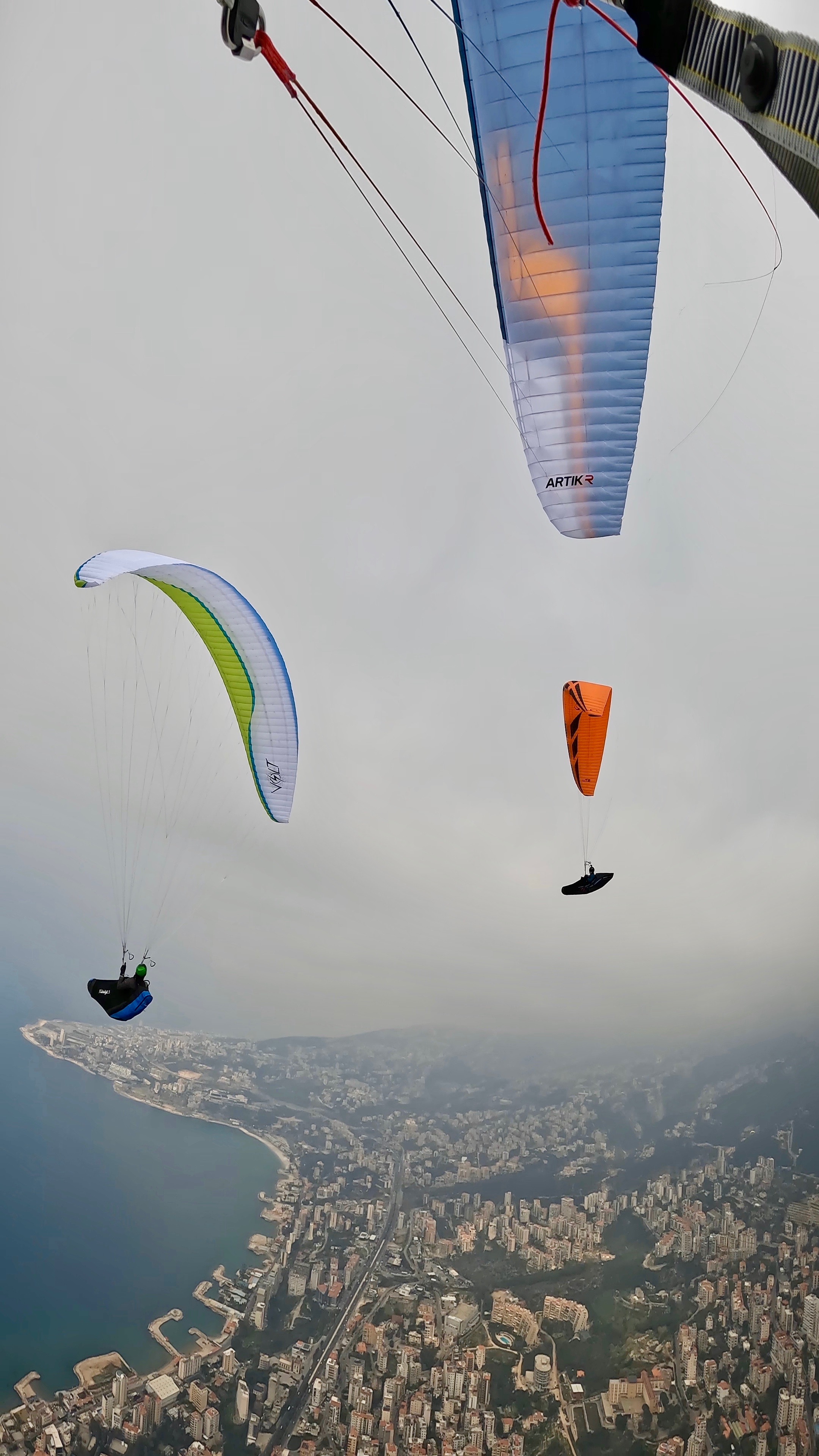
Ears are stable, and the descent rate with half bar is around -2.5 m/s… -3 m/s, they reopen with pilot intervention. I also flew the Artik-R at 88 all up to be able to comment. It flies and handles a bit slower. It is safely doable if someone wishes., but to be efficiently competitive, I personally prefer to fly the size 23 at +93 all up.  I personally like my gliders to feel more dynamic and also I need more connection in strong air.  

Flying the Artik-R at 95 won’t lose anything in weak thermals, and would be better in getting faster into the heavy airmass.

360s needs two turns to get smoothly into it. Getting out while keeping your weight shift inside the turn is smooth like any other C. 


Conclusion: 

Today, manufacturers are trying to satisfy a large group of pilots from the high B's to the high C’s but some are resilient to deliver a suitable and comprehensive 2-liner for the C category. The Artik-R seems to have filled that gap comfortably.  

But there’s no miracle! In the 2-liner EN-D category, the Peak 6 for example was created to give you more performance with a higher pilot level. 

With the Artik-R, you are flying a 2-liner with near the comfort of 3-liner C’s. Perhaps around a +12 % increase in pilot level in strong air.  


There’s no special flying technique for the Artik-R!  So a confirmed C pilot, or even a ‘confirmed’ high B pilot with two full seasons in strong air, would find the Artik-R to be a nice evolution to fill his goals.  

The overall gliding performance ‘in moving air’ over the 3 liner C’s ‘example Artik 6’  is increased by 10-12 % (just a personal idea) 

Now the clearer advantage is the top speed when overlapping pulleys gives around +18 km/h over trim at 1000 ASL.   

I’m sure a demo would be an exciting and interesting experience! :-)  


Saturday, February 11, 2023

Ozone Submarine M size


Ozone Submarine M size

Ozone released a harness for minimizing the drag produced by the pilot/harness combination, and the main purpose is the extra glide angle in competitions.

I received one Submarine in `M’  size for a test flight. 

The base harness is an exoceat that has been modified a bit. A thick wooden seat board is installed, and the chest strap width is fixed at around 50 cm. My personal feel and imagination, look like it is made to fit a pilot in a ‘Formula 1’ seating position! 

The soft envelope surrounds the harness and both hands are inserted like wearing a jacket with also a Zipper that comes from the end of the pod to the cockpit, and another one from the cockpit or the main deck to be secured at the pilot's neck exactly like zipping your warm jacket. The air enters by the front and when it inflates in this efficient aerodynamic shape, only the pilot's head and arms can be seen outside the Submarine. 

To reach that aerodynamic streamlined shape, you must adjust all the side and front adjustments to keep it horizontal while being convenient for your liking. Ozone made a very nice video following that link (   https://flyozone.com/paragliders/products/harnesses/submarine   )  explaining how it is done.  But for sure, to sit in that harness, you must be a hard-core resilient competition pilot with one focus on the finish line. 


The harness weighs around 8.3 kg for the M. There are two side rescue pockets, rather small pockets to fit a normal rescue with a bit of patience.

The triple -Bullet-pedal accelerator has a long cord, that should pass through the riser pulleys of your competition glider while you need to remove the original Dyneema line on the risers or at least wrap it around the riser. The video and pics show it well. 


I spent a whole day trying to find the best comfortable and horizontal position to my liking, and finally, I succeeded. The next day, was to try it in 30 km’h windy take-offs,  which to my surprise was really easy while holding the rear end under my arms before launch. My buddies were amused taking some pictures :-) attached…

Overall, when you get used to it, it’s easy to take off and land like any other harness out there. It’s just the time preparing it to fly that has to be a bit tricky. There are two cockpits to install the higher cockpit holds the flying instruments that can be seen through the plastic window, and the lower cockpit can also hold lots of instruments and a 5 kg water ballast.  


In the air, the Submarine feels and looks exactly like a Submarine !! :-)  As only the pilot's head is outside with his eyes near the long front surface, the air feels really smooth! That’s a description all the Submarine pilots would feel! The sound of the wind is calmer and the impression you get is a smooth aerodynamic efficiency…At least that’s a first feeling…

Later I flew with my friend both of us on Zeno 2 and the same size and same load. My friend with the Submarine M size and I’m on my X-rated 6.  

I really don’t want to get into lots of discussions and that’s just my small humble opinion.


On trim glides and about 5 km, I didn’t see any difference.  Above 53 km/h there’s a very slight improvement for the Submarine after 5 km.  

I think, for winning competitions you need to save every meter you gain after your long glides. So, 5 meters….10…15 meters…adding those meters after several glides could be your winning ticket to achieving your goals.  


Conclusion: 

I was amazed by the ingeniosity of that design. All the small details were studied to have that streamlined shape and efficiency.  It is a bit delicate to handle, and landing on a tree isn’t a good idea and will eventually destroy the outside envelope.  I don’t see how the rescue lines will pass near the collar without damaging the cloth…in case of a rescue opening. But it could happen without damage. 

The difference in efficiency to gain gliding performance between a normal seated harness and a pod harness with rear fairing is greater than comparing the same pod harness with fairing to a Submarine. 

But there’s a difference in speed and on long glides. 

Every pilot will find a whole complete set of harnesses from pod to simple ones to his liking. The Submarine is a complex harness for a purpose. 

If you are a very good competition pilot, and you need those extra meters that will help you get closer or be on a podium, then the Submarine is definitely for you if your competitors have a similar harness, then getting a high-end stream-lined harness like the Submarine, will keep you close in the game!


Friday, February 3, 2023

Triple Seven Q-Light MS (75-95)

Triple Seven Q-Light MS (75-95)

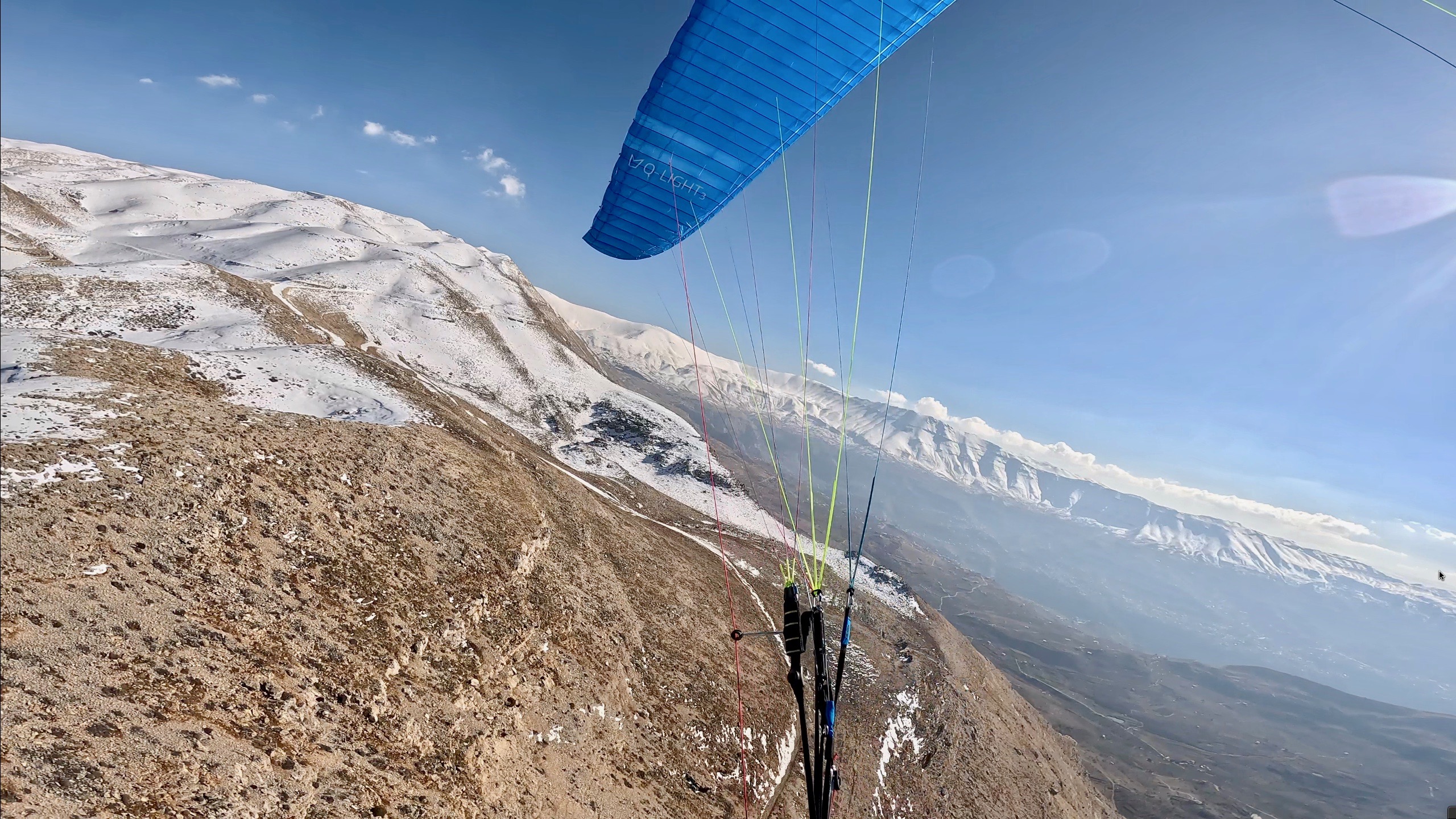
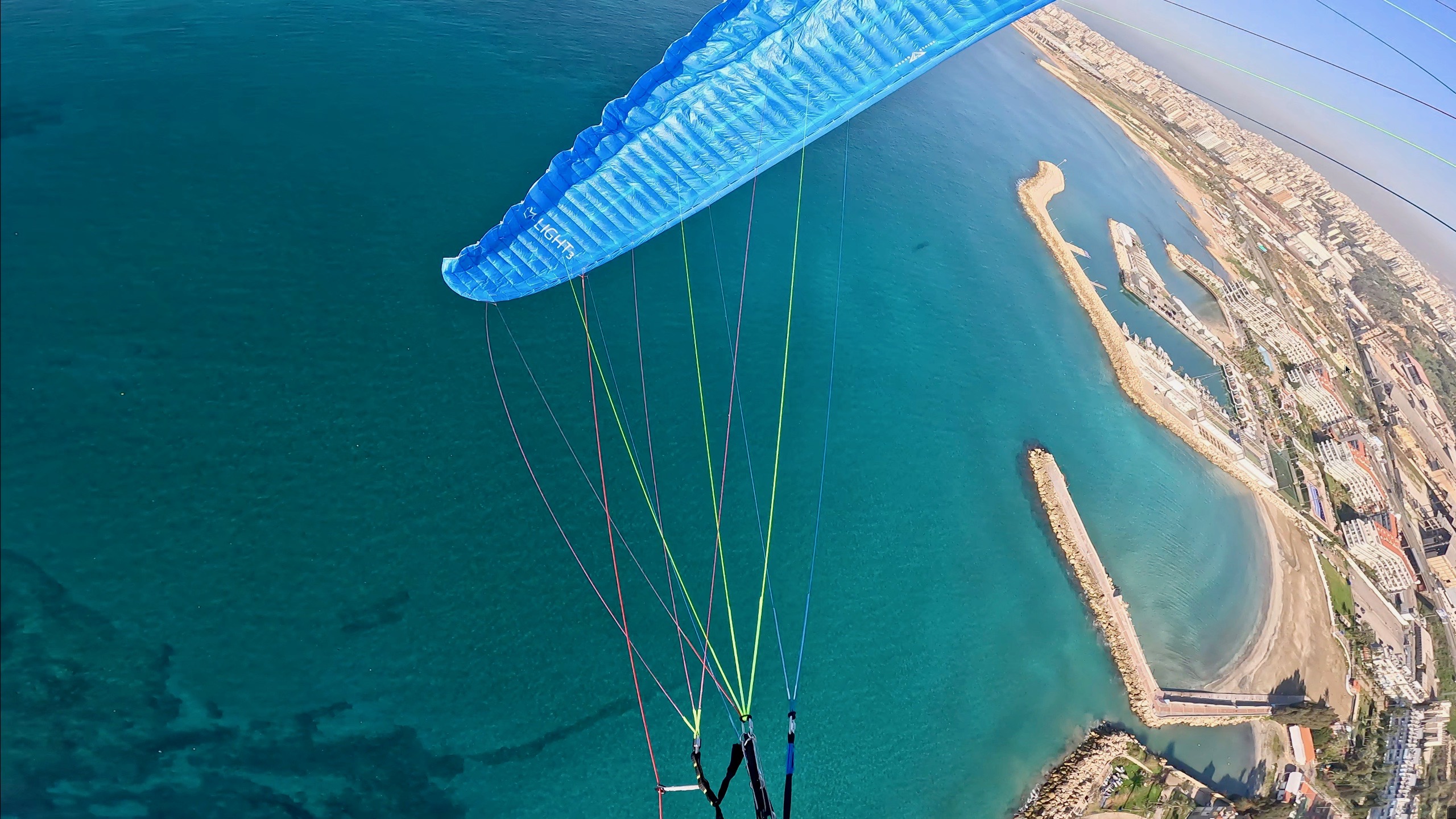
I have already tested the Queen 3 in that exact same size. Here’s the light version called Q-Light 3.

Triple Seven uses on the upper surface the superb Porcher Skytex 27 Double Coated and on the Leading edge Porcher Skytex 38. The bottom surface holds the Porcher Skytex 27 Double Coated and the profiles are made from Porcher Skytex 27. The hard finish Suspension and main lines used are PPSLS Liros and Edelrid A-8000-U. The new thinner risers are quite interesting.

Launching the Q-Light 3 at 92 all up is much better than the already good Queen 3. The Q-Light 3 launches faster and fills with air even with no wind! The air intakes are also very small like the Rook light, and the Queen 3, but the inflation of the Q-Light 3 is super easy! No hard point, no hanging back. Immediately take off. Problem solved on this Q-Light MS.


I flew in some moderate air and flew in some turbulent areas to confirm later that the overall movements are similar to the Queen 3. The Q-Light 3 doesn’t have the very tamed character of the Alpina 4. but it is more enjoyable to fly if the pilot prefers a little more roll feedback, a more direct shorter brake travel, and swift handling, with very slight pitch feedback. These features are excellent to have in a glider for educated pilots IMHO.
In strong or more turbulent air, it moves more than an Alpina 4 for example but stays on top of your head. It resembles the excellent Cayenne 5 movements.
The Q-Light seems slightly differently tuned than the Queen 3.

The trimming of the Q-Light 3 felt slightly different in a positive way. Probably it's the light fabric, but I think there’s a slight very small trimming change that allows the Q-Light to feel more fluid through the air.
After some glides with other 3 liners C’s, The Q-light 3 showed me no less than a top-end glide for that category. I think the Q-Light 3 glide angle is unquestionably good.
Flying next to my reference gliders in climb, I was impressed by the efficiency of the Q-light 3 as I was always able to match the best climber in that category.
The climb rate in the very weak and difficult lift on the Q-Light 3 felt also impressive as the Q-Light 3 floats incredibly well! After some hours in the weak lift, I can confirm that it really climbs like a “Queen”!

The brake travel is slightly higher than the Q-Light 2 I had and the overall agility is slightly reduced, but still, it's a pleasurable and agile glider to fly.

The C steering isn’t as fluid as some other C’s. I would have preferred a pulley on the B’s for smoother and linear C steering.
When pulling the C risers for control, the lines pass through a hard ring, rub and you can feel the pressure they induce. Another system with a pulley that delivers a smoother feel could be very welcomed!
The top speed is around 13 km over trim. The speed bar has a moderate pressure feel and is a bit harder at the end of the second step. Big ears are moderately stable and open without pilot intervention.

Conclusion:
I’m very curious to see what the new future 2-liner generation is willing to offer more and if they would be easier to manage or deliver more overall performance… One thing is certain. The 2 liners ‘feel’ and the way you control the B risers at speed are unique to them which is logical!
Now for the weekend warrior, who is looking for a 3-liner C at least for the next year to observe what would be the gain with the 2 liners, and also how well they would cope with summer turbulence, the Q-Light3 as a conventional 3-liner, has an impressively complete package of top end performance in glide and climb with very good agility and pleasurable handling.

Cheers,
Ziad

Tuesday, January 24, 2023

Niviuk Arrow M

Niviuk Arrow M 


During those 30 years, and of all the harnesses I test flew, this is my first Niviuk harness!  There’s always a first time :-) 


I have here for test flying the Niviuk Arrow in size M which has 95 % the same specification as their new Hawk but with a nice elongated fairing. 

The size M goes to 178cm pilot height. 

I’m 1.81 tall, but when I sat in an M size when I was at the Coupe Icare, it felt ok. 

So I ordered two sizes. One M just arrived and one L should arrive in a month or two hopefully. 


As you will see in a close-up in the video attached, the finish details and the work done, the sewing, on this Arrow harness is indeed superb and put the NK Arrow among the top-end harnesses for a clean finish detail in the market. 

The Arrow pod can be replaced easily if damaged by mistake with side zippers.  There’s a seat plate on the harness.  Under the seat is a pocket that fits a 4 kg water ballast. On the right side, the rescue pocket is wide enough can fit a Rogallo rescue. The rescue handle and pin can be installed without any additional cord if by chance you find yourself on the take-off and needed to change or replace the rescue. Very easy to install.


In the back, there’s a big pocket for the glider bag, a place for the water camel, and a small pocket with a zipper. There are also two plastic inserts if by chance you damage the air inlets, which is difficult because they are made of a soft plastic material. But just in case,  they can be replaced quickly.

There’s a lower side hole for a pee tube pass. Two brand new black aluminum carabiners are included and with a three-step speed bar. 

The most interesting part for me personally is the cockpit!  Just because as you will see in the video, it can open from a top with a slight pull on the blue ribbon. and it opens the inner container plainly and clearly while you fly. 

The cockpit container holds three compartments. Each compartment can hold whatever you choose to put. A chocolate bar, an extra instrument, An extra battery, a hat, a lucky charm…and they all are easily accessible. On my woody valley, it opens from the top but with a zipper and is sometimes difficult to open and maintain open as it needs effort to reach the zipper with warm gloves.

On the Arrow it is a clever innovation and a delight for me!


Sitting in the Arrow M size even with 1.81 cm and 75 kg is quite suitable. But I think the L size could be probably more adequate for my height. I will try and report back. Nevertheless, I felt having the legs naturally supported without any pressure point on my body. I flew the harness in some turbulent air, and later in smooth air. In all conditions, the Arrow offered the most balanced feedback with a high comfort side. The M-size chest strap opens to 50 cm max on the M, and even in strong air, I could easily be very comfortable on an S-size glider. The ABS system controls the movements without being too restrained. I mean all the movements are available smoothly for the pilot to understand the airmass without being too chatty or too dull. That’s why I said that the Arrow gives the most balanced feedback. Less movement than the Genie light 3, slightly similar to the Delight 4 but without the ABS restraining system of the D4. 

Weight shifts are also efficient on the Arrow with a nice turning radius. (Information taken from the same glider that was used on the Genie light 3 and the Delight 4).   

Overall a perfect blend of feedback and smoothness. And that’s at 50 cm opened chest strap. Pilots can also tighten the chest strap as much as they prefer for an even more stable harness to their preference.


Conclusion: 

Let's keep it short:

The smoothness and features of a Mercedes with the look of a Ferrari. Plain and simple. Try it!!